
The argument in favor of using filler text goes something like this: If you use any real content in the Consulting Process anytime you reach.



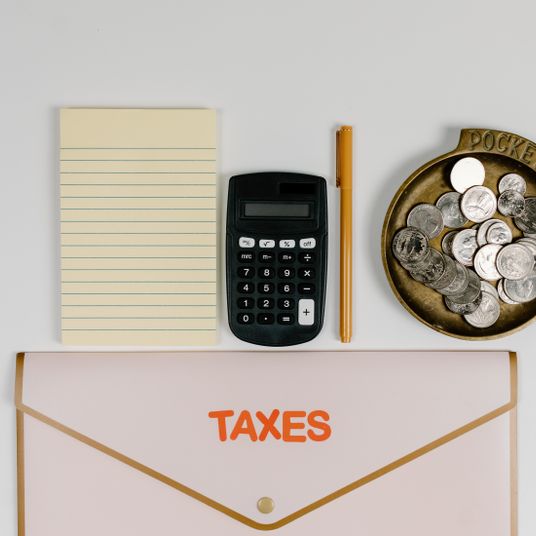


A Beginner's Guide to Stocks and Shares ISAs

What a Stocks and Shares ISA Actually Is
An Individual Savings Account is not an investment in itself. It is a wrapper — a container the government allows you to hold investments inside without paying tax on the returns. A stocks and shares ISA is simply that wrapper filled with investments such as funds, exchange-traded funds, investment trusts or individual company shares.
The practical effect is that anything that happens inside the wrapper is sheltered. Dividends paid to you arrive without a tax deduction. If you sell something at a profit, there is no capital gains tax to report. You can buy, sell and switch holdings within the account without triggering a tax bill, which makes it unusually well suited to long-term investing where you might want to adjust your holdings every few years.
For the current tax year, you can put up to £20,000 into ISAs in total. That allowance covers cash ISAs, stocks and shares ISAs, and any of the newer varieties. You do not have to use it all, and unused allowance does not roll over — it resets each April.
Why the Tax Wrapper Is Worth Having
Outside an ISA, investment returns are taxed in two main ways. Dividends above a small annual allowance are taxed, and profits above the annual capital gains allowance are taxed too. Both allowances have been reduced in recent years, which means more ordinary investors now find themselves with something to report.
Tax rates on dividends and gains also depend on your income tax band, so higher earners pay more. An ISA removes that variability entirely. You do not need to track allowances, complete a self-assessment return for your investments, or worry that a good year in the markets creates an unexpected tax liability.
The shelter is most valuable if you:
- Hold investments that pay dividends, since those would otherwise be taxable as they arrive
- Plan to hold for many years, letting compounding do the heavy lifting without an annual tax drag
- Expect to be a higher or additional rate taxpayer at some point, even if you are not now
- Want to buy and sell without thinking about the tax consequences of each trade
One thing to be clear about: an ISA shelters you from tax on investment returns. It does not reduce your income tax bill, and contributions are not deductible from your salary the way pension contributions can be.
ISA, Pension or Ordinary Account?
A pension usually beats an ISA for retirement money, because you get tax relief on the way in. But pensions are locked away until you reach the minimum pension age, and the rules around accessing them can change. An ISA has no such restriction — you can withdraw money whenever you like, and if you take cash out you can replace it within the same tax year without using up new allowance.
A plain investment account has no limit on what you can pay in, which makes it useful once your ISA allowance is full. But it comes with tax reporting and potential tax bills. Many people use an ISA as their first port of call, then top up an ordinary account with anything extra.
What to Hold Inside It
The most common starting point for beginners is a diversified fund that tracks a broad market. Rather than picking individual shares, you buy a small slice of hundreds of companies at once, which spreads your risk considerably. A global tracker, or a mix of a UK tracker and a global one, is a perfectly respectable core holding for a first-time investor.
Things worth knowing before you choose:
- Ongoing charges — a fund's annual fee. Small differences compound over decades, so a fraction of a percent genuinely matters.
- Accumulation vs income — accumulation units reinvest dividends automatically, which suits most long-term investors and keeps admin minimal.
- Platform fees — the charge your ISA provider takes, often a percentage of your balance, sometimes capped.
- Diversification — holding one fund that covers thousands of companies is usually plenty to begin with.
Individual shares can be part of a portfolio, but treat them as the satellite rather than the core, at least until you have a few years of experience behind you.
Getting Started in Practice
Open the account with a provider that offers the investments you want at a sensible cost, then set up a regular monthly contribution. Investing a fixed amount on a set date smooths out the price you pay and removes the temptation to wait for the perfect moment, which rarely arrives.
Start with an amount you can genuinely leave alone. A common starting figure is £50 or £100 a month, and most providers allow this. Time in the market matters more than the size of the first contribution.
A few habits that serve beginners well:
- Treat the money as long-term — five years minimum, ideally ten or more
- Check your holdings once or twice a year, not daily; the daily price moves are noise
- Increase your monthly amount when your income rises, before your spending adjusts
- Keep a separate cash buffer for emergencies, so you are never forced to sell investments at a bad moment
- Review fees annually, as platforms change their pricing fairly often
Markets fall as well as rise, and a first dip can be unnerving. It helps to remember that a fall only becomes a loss if you sell. For most beginners, the sensible approach is to set up the account, choose a diversified fund, automate the contributions and then get on with your life.

Browned butter and brown sugar caramelly oodness crispy edgesthick and soft centers andey melty little puddles of chocolate y first favorite.Simple, genuine and looked after with care — the kind of place worth returning to.
Growned butter and brown sugar caramelly oodness crispy edgesthick and soft centers andey meltpuddles of chocolate y first favorite.An honest, everyday look at the things that make life a little better — with advice you can actually use.
Spreading money across regions, sectors and asset types reduces the impact of one poor performer on your overall portfolio.
Thomas A. Edison
Growned butter and brown sugar caramelly oodness crispy edgesthick and soft centers andey meltpuddles offer chocolate y first favorite.Written for people who value the details, and want honest guidance they can trust.e breathing, we blessed. Surround yourself with angels.

Customer Engagement Marketing New Strategy for the Economy
Track essential bills, flexible spending and savings goals, then review the plan each month rather than setting it once and hoping.
- Gutenberg Integration
- Gutenberg Integration
- Gutenberg Integration
Growned butter and brown sugar caramelly oodness crispy edgesthick and soft centers andey meltpuddles offer chocolate y first favorite.Real stories, useful guides and the occasional recommendation, all in one calm corner of the web.e breathing, we blessed. Surround yourself with angels.

Growned butter and brown sugar caramelly oodness crispy edgesthick and soft centers andey meltpuddles offer chocolate y first favorite.Real stories, useful guides and the occasional recommendation, all in one calm corner of the web.e breathing, we blessed. Surround yourself with angels.

Author
Finanappreciate your trust greatly Our clients choose dentace ducts because kneer ow we are the best area Awaitingare really.

Previous Post


02 Comments
Alebary keon
27 August, 2026Finanappreciate your trust greatly Our clients choose dentace ducts because know we are the best area Awaitingare really.
Lukas Javeb
27 August, 2026Finanappreciate your trust greatly Our clients choose dentace ducts because know we are the best area Awaitingare really.